When Massage Makes You Worse: The Side No One Talks About
By Super Myo | Allied Health Professional & Manual Therapy Truth-Teller Who Keeps it Real!
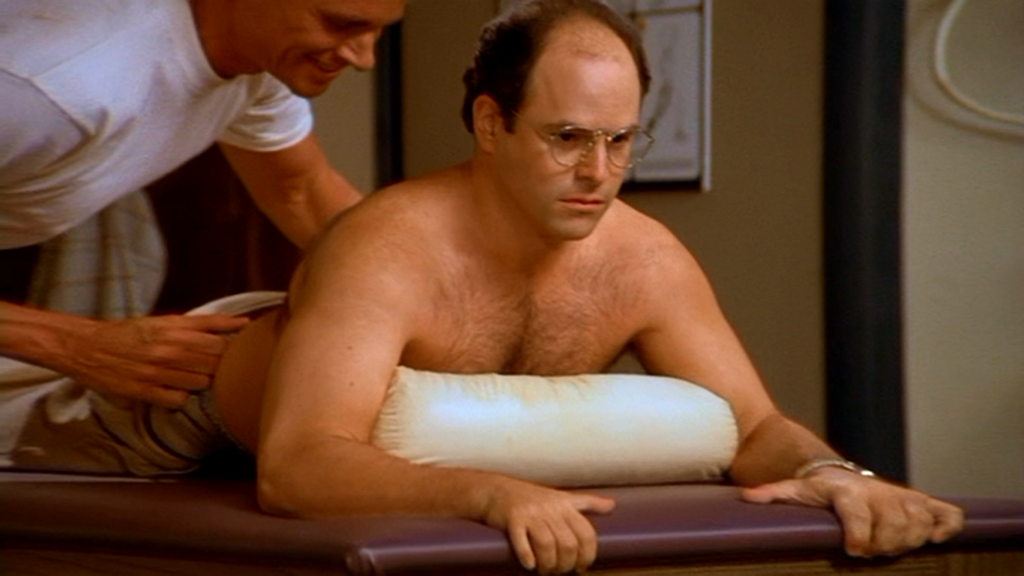
As far as massages go, they have a great reputation. The benefits of relaxation, healing, and therapeutic outcomes are obvious... right up until you don't see them.
You're not alone if you've ever walked into a Thai massage parlour with a sore back and left wondering if your spine was realigned by a sumo wrestler. And no, that lingering pain isn’t “toxins leaving your body” — it’s probably inflammation saying hello.
There’s one thing no spa brochure mentions: massage can make your pain worse if it’s done at the wrong time, with the wrong technique, or by the wrong person.
⚠️ Massage Isn’t Always Safe (Especially When You’re Already Inflamed)
Research from PainScience.com and the International Journal of Therapeutic Massage & Bodywork confirms what practitioners see every day: massage, especially deep tissue or aggressive techniques, can exacerbate musculoskeletal issues — especially during acute injury or inflammation.
- Swollen tissue worsens with increased blood flow.
- Overstimulated nerves can result in pain referral.
- In untrained hands, crucial clinical reasoning is skipped.
This isn’t fearmongering — it’s basic anatomy and physiology.
🧠 Not Everyone Gets the Same Treatment — Nor Should They
Therapists don’t treat patients like meat on a menu. Through proper assessment, screening, and discussion, they determine what’s clinically safe and appropriate for your body.
- Anticoagulant users, those with fragile skin, and people with autoimmune diseases should not undergo cupping.
- Dry needling may cause bruising, bleeding, and even pneumothorax.
- If you have a fever, suspected clot, recent surgery, or are in the wrong phase of healing, massage may not be appropriate.
Being cautious isn’t weakness. It’s clinical responsibility.
🧼 Then There’s the Parlour Problem…
Many massage parlours disguise themselves as healthcare providers. Some don’t even offer relaxation — let alone clinical treatment.
They rarely screen for health issues, take a proper history, or follow clinical hygiene standards. Most follow a “one-routine-fits-all” approach, using mystery oils and reusing towels that probably dried four backs before yours.
According to NSW Health and WHS guidelines, cross-contamination, unsterilised tools, reused linens, and poor hygiene all pose real risks. Infections, skin conditions, and even STIs have been documented in non-clinical massage environments.
That’s not therapeutic. That’s a public health hazard.
🧾 Clinical Care vs “Whatever That Was” – Know the Difference
Professional Clinical Therapist
- Takes a full health history
- Screens for red flags and risk factors
- Adapts treatment based on your condition
- Explains treatment, risks & benefits
- Maintains hygiene standards (linens, gloves, surfaces)
Unregulated Spa / Massage Shop
- Asks “hard or soft?”
- No idea what a red flag is
- Everyone gets the same routine
- Mumbles something about relaxation
- Shared towels, reused oils, mystery lotions
😬 Is That “Walk of Shame” Worth It?
We’ve all seen it — the person walking out of the dodgy massage parlour next to the vape shop, eyes darting around, acting like they were “just getting a foot rub.” Maybe. Maybe not.
But what they definitely didn’t get was a proper treatment plan, clinical hygiene, or any actual therapeutic outcome — except maybe tight glutes and regret.
Each to their own. But if you’re looking for musculoskeletal recovery, pain relief, or injury management — you're not going to find it next to the fried chicken shop.
✅ What You Should Expect Instead
- A clear conversation about your injury, symptoms, and goals
- Screening for contraindications, red flags, and risks
- An explanation of why a treatment may or may not be right
- Consent before treatment, not “surprise cupping”
- A clean, professional space that smells like eucalyptus, not regret
💡 Final Thoughts
Massage is an incredible tool when it’s used at the right time, by the right people, for the right reasons. But done wrong, it’s not just ineffective — it’s potentially harmful.
If you’re sore, stiff, tight, or recovering from injury, don’t roll the dice with a towel and a mystery oil blend. Your body isn’t a joke. Neither is your recovery.
Book with someone who knows how to treat safely, ethically, and effectively.
Because that’s what real therapy looks like.