Sports Therapy vs. Traditional Massage: Which Is Right for You?
By Super Myo | Allied Health Professional & Manual Therapy Truth-Teller Who Keeps it Real!
Why the Difference Matters
Book a “massage” in Western Sydney and you could walk out relaxed with oils and soft music, or you could walk out with freer hips, calmer nerves, and a plan that actually keeps you training. Both experiences get called massage, but they serve different goals. If you are training hard, working physical shifts, or dealing with stubborn pain, knowing the difference between sports therapy massage and traditional massage matters. Pick the wrong one and you may be relaxed but still limited. Pick the right one and you recover faster, move better, and stay in the game.
For a deeper dive into how sports therapy massage works and the techniques we use, read our Ultimate Guide to Sports Therapy Massage. If you are comparing recovery options after an injury, you may also find our article on sports therapy massage for injury recovery useful.
What Is Traditional Massage?
Traditional massage is usually found in spas, beauty clinics, and general wellness settings. It focuses on relaxation and broad muscular relief rather than specific performance or injury goals. Techniques often include Swedish massage, gentle kneading, and long gliding strokes that calm the nervous system, reduce perceived tension, and promote a sense of well-being.
- Core goal: Relaxation, stress reduction, general circulation.
- Pressure: Light to moderate, smooth and rhythmic.
- Setting: Spa or relaxation environment.
- Great for: Sleep quality, stress management, mild tightness.
- Limitations: Does not assess biomechanics, does not address root causes of pain, and rarely integrates rehabilitation.
What Is Sports Therapy Massage?
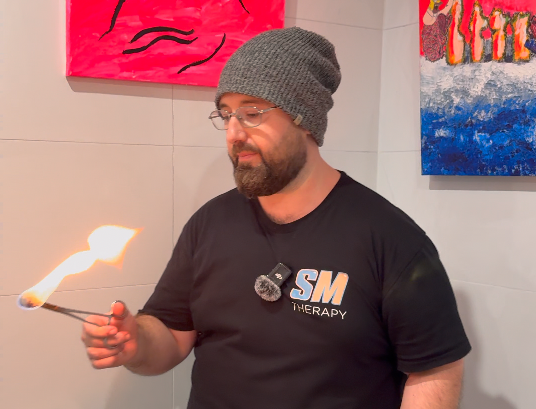
Sports therapy massage is a clinical, problem-solving approach designed to improve movement quality, reduce pain, and support performance. At SM Therapy in St Marys, it starts with assessment and may include deep tissue work, trigger point therapy, dry needling, fire cupping, instrument assisted soft tissue mobilisation (IASTM), joint mobilisation, and assisted rehabilitation. The aim is to match the right tools to your specific problem so you leave moving better, not just feeling better.
- Core goal: Restore movement, support recovery, prevent injury, and enhance performance.
- Pressure: Moderate to deep, targeted, and purposeful.
- Setting: Clinical environment with assessment and plan.
- Great for: Athletes, gym lifters, tradies, and desk workers with recurring tightness or pain.
- Strengths: Addresses root causes, integrates rehab, and supports long-term resilience.
How to Decide What You Need
If you are tired, stressed, and not training much, traditional massage can help you switch off and sleep better. If you are training, carrying a niggle, or waking up stiff most mornings, sports therapy massage is a better match.
- Choose traditional massage if: You want to relax, reduce stress, and enjoy gentle whole-body work.
- Choose sports therapy massage if: You want a result you can measure, such as more hip rotation, easier overhead range, or fewer post-session flare ups.
- Unsure? Start with a clinical assessment. At SM Therapy we do not run cookie-cutter sessions. We assess, treat, and tailor to your goal.
Real-World Scenarios From Western Sydney
St Clair tradie with lower back pain
Traditional massage relaxed him for a day or two, but pain returned when lifting at work. Sports therapy combined deep tissue, dry needling, and core-focused rehab. He returned to full duties with fewer flare ups because the treatment addressed load tolerance and movement, not just surface tension.
Rooty Hill footy player with shoulder niggles
General relaxation helped him switch off between matches but did nothing for overhead pain. Sports therapy targeted thoracic mobility, pec tightness, and cuff strength. Result. Better shoulder mechanics and fewer in-season setbacks.
Colyton runner with recurring calf tightness
Traditional massage felt nice but tightness kept returning. Sports therapy used myofascial release, IASTM, and foot to ankle stability drills. Calf issues settled, mileage increased safely, and race prep was more consistent.
Minchinbury desk worker with neck tension and headaches
Relaxation massage eased stress but tension returned the next week. Sports therapy released trigger points through the upper traps and deep neck flexors, then added posture and mobility work. Headache frequency dropped and computer days became manageable.
What to Expect in a Sports Therapy Session at SM Therapy
- Assessment: We look at posture, movement, and aggravating patterns. Your sport or job dictates the plan.
- Targeted treatment: We choose techniques that match your limits, such as deep tissue, trigger point therapy, dry needling, fire cupping, or IASTM.
- Movement integration: Simple mobility or activation drills lock in the changes and reduce compensation.
- Recovery plan: Clear advice on training, spacing sessions, and exercises to keep you progressing.
For the benefits and techniques we commonly use, see the Ultimate Guide to Sports Therapy Massage.
Common Myths, Busted
- “Deep pressure is always better.” Not true. The right pressure is the one that changes your restriction without causing a flare up. Sports therapy focuses on effect, not force.
- “If it hurts, it must be working.” Not always. We want productive discomfort, not pain for pain’s sake. The goal is better movement and fewer symptoms after, not bruises.
- “Any massage will fix an injury.” Injuries need assessment, targeted hands-on work, and rehab. Traditional massage alone will not correct mechanics or strength deficits.
Why SM Therapy Does Not Do One Size Fits All
We are not a production line. You get a full hour where we listen, assess, and treat. The mix changes based on your body on the day. If your calves are stiff after sprints, we address them. If your shoulder is flaring before a bench press cycle, we prioritise cuff strength and thoracic rotation. The plan is yours, not a template.
Local, Practical, and Built Around Your Life
Whether you are taping up for footy in Minchinbury, pushing PBs at Anytime Fitness in Mt Druitt, running the Nepean, or lifting after work in St Clair, recovery is what keeps you in the game. That is why SM Therapy is trusted across Western Sydney. We treat real people who train, compete, and work hard, and we make therapy fit your week, not the other way round.
A Final Word from Super Myo
Both traditional massage and sports therapy have a place. If you need to switch off and relax, choose traditional massage. If you want lasting change you can feel in your lifts, runs, and work week, choose sports therapy. The difference is simple. One soothes. The other solves.
📍 Based in St Marys and supporting Western Sydney
💻 Book now at supermyo.com.au/contact
📱 Call or Text: 0490 196 815
📸 Instagram: @sup3r_myo
Because real therapy is not about candles. It is about results.
Frequently Asked Questions: Sports Therapy vs. Traditional Massage
What is the main difference between sports therapy massage and traditional massage?
Traditional massage focuses on relaxation and general well-being. Sports therapy massage targets movement, pain drivers, and performance using assessment and clinical techniques. If you want long term change, choose sports therapy.
Is sports therapy massage painful?
It can involve productive discomfort while a restriction changes, but treatment is always controlled and matched to your tolerance. The goal is to leave moving better, not bruised.
Can I alternate between traditional massage and sports therapy?
Yes. Use traditional massage when stress is high and training is light. Use sports therapy when you are preparing, performing, or recovering, or when pain and tightness keep returning.
How often should I book sports therapy massage?
Active people do well with sessions every two to four weeks. During heavy training blocks or rehabilitation, weekly sessions can help you stay ahead of niggles.