Manual Therapy vs Massage: Why Hands-On Treatment Works Better for Pain
By Super Myo | Allied Health Professional & Manual Therapy Truth-Teller Who Keeps it Real!
Massage or Manual Therapy — Which One Do You Actually Need?
If you are sore, stiff, or fed up with pain, chances are someone has told you to “just go get a massage”. It sounds nice, but not all hands-on treatments are created equal. Massage has its place. It helps with stress, circulation, and relaxation. However, when it comes to fixing musculoskeletal pain, long term dysfunction, or that lower back that keeps flaring, manual therapy is the difference between short term symptom relief and actually addressing the root cause.
At SM Therapy in Western Sydney, we do not just rub sore spots. We assess, we treat, and we rebuild so your body moves better, not just feels better for a couple of hours. For a deeper look at a full session and the techniques we use, read our Ultimate Guide to Sports Therapy Massage.
What Is Massage (and What Does It Actually Do)?
Massage is a broad umbrella term found in spas, health clubs, and general wellness settings. The focus is relaxation and increasing blood flow. Typical benefits include:
- Reducing general muscle tightness
- Calming the nervous system
- Improving circulation
- Helping with stress and sleep
There is nothing wrong with that. The limitation is that if your problem is chronic pain, restricted movement, or a sports-related injury, massage is often too general. It can feel good in the moment, yet the problem returns because the underlying cause has not been addressed.
What Is Manual Therapy (and Why Is It Different)?
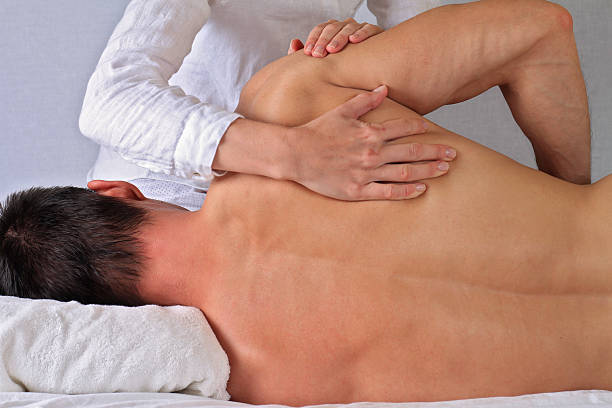
Manual therapy is targeted and clinical. It is not “how hard or soft do you want it?” — it is a set of techniques chosen after assessment to restore movement and reduce pain. At SM Therapy, manual therapy may include:
- Ischaemic Compression: Sustained pressure to deactivate stubborn trigger points.
- Muscle Energy Technique (MET): Using controlled contractions to restore mobility and strength.
- Low Velocity, Low Amplitude (LVLA) mobilisations: Gentle joint work to free stiff segments without force.
Where massage is general, manual therapy is precise. It is designed for conditions like lower back pain, shoulder impingement, chronic neck stiffness, and sports injuries that keep coming back.
Why Manual Therapy Works Better for Pain
- Assessment first: No one-size-fits-all. We check posture, movement, and pain triggers.
- Targeted techniques: The right tool for the right problem, rather than a generic rubdown.
- Restore function: Improve joint mechanics and muscle balance so results last.
- Rehab integration: We add assisted rehabilitation so the changes hold between sessions.
Massage helps you feel better today. Manual therapy helps you move better tomorrow.
Real-World Example: The Lower Back
Walk into a massage clinic with lower back pain and your lumbar area will likely be rubbed for 30 minutes. You feel better for a day, then the ache returns. At SM Therapy, we ask why your lower back is overloaded. Tight hip flexors? Weak glutes? A stiff thoracic spine? Then we:
- Release tight tissue with targeted manual therapy
- Mobilise restricted joints
- Reinforce with core and glute strength via assisted rehab
Result. Long term relief rather than short term comfort.
Massage Still Has a Place
Relaxation matters. Recovery is not only physical, it is also neurological. Many people benefit from massage to reduce stress, improve sleep, and settle general tightness. We often integrate massage within a manual therapy plan when calming the system supports the clinical goal. The difference is that at SM Therapy it is never a substitute for assessment or a plan.
Who Benefits Most from Manual Therapy?
- Athletes: Manage load, speed recovery, and prevent injury across a season.
- Tradies: Backs and shoulders that cop repetitive strain from lifting and overhead work.
- Office workers: Desk posture, stiff necks, and computer shoulders that need more than a quick rub.
- Everyday people: Chronic pain, mobility issues, or wanting a body that works properly again.
Evidence and Best Practice
Manual therapy is most effective when paired with exercise and education. That is why sessions at SM Therapy include hands-on work and assisted rehab. Sports Medicine Australia outlines the value of structured recovery and appropriate load management in reducing overuse injuries. See their guidance here: Sports Medicine Australia resources.
For non-specific lower back pain, NICE guidance recommends manual therapy only as part of a package that includes exercise. This patient-first, movement-centred approach is exactly how we operate in clinic. Read more: NICE Guideline NG59.
Why Western Sydney Chooses SM Therapy
From Minchinbury to Rooty Hill, Glenmore Park to St Marys, people choose SM Therapy because we do not chase symptoms. We explain in plain English, treat what is causing the issue, and give you a plan that works in your real life. No fear tactics. No 10-session hard sells. Just proper clinical care.
A Final Word from Super Myo
Massage has its place. If you want long term change, manual therapy plus movement wins. If you are done with band aid fixes, it is time for a plan that treats the cause and not only the symptoms.
📍 Based in St Marys and supporting Western Sydney
💻 Book now at supermyo.com.au/contact
📱 Call or Text: 0490 196 815
📸 Instagram: @sup3r_myo
Because your body deserves more than a quick rubdown. It deserves real therapy.
FAQs About Manual Therapy vs Massage
What is the main difference between massage and manual therapy?
Massage is general and relaxation-focused. Manual therapy is targeted and clinical, chosen after assessment to treat specific pain and dysfunction.
Can manual therapy and massage be combined?
Yes. Massage calms the system and improves circulation. Manual therapy corrects the cause. We integrate them when it serves your goal.
Is manual therapy painful?
Some techniques involve productive discomfort as tight tissues release, but it should feel safe and controlled. We adjust to your tolerance.
How many manual therapy sessions will I need?
It depends on your condition and goals. Some issues change in two to three sessions. Others need a short block paired with rehab to hold gains.