The Truth About Sports Massage: What Actually Works
By Super Myo | Allied Health Professional & Manual Therapy Truth-Teller Who Keeps it Real!
Let’s be honest — if you’ve ever played sport in Western Sydney, you’ve probably walked (or limped) off the field thinking, “She’ll be right. I’ll just ice it, whinge about it, and get back out there next week.”
Except… she won’t be right. And you won’t be right either. That twinge in your hamstring? It’s not “just tight.” That ache in your shoulder? It’s not going to magically disappear because you waved a bag of frozen peas over it.
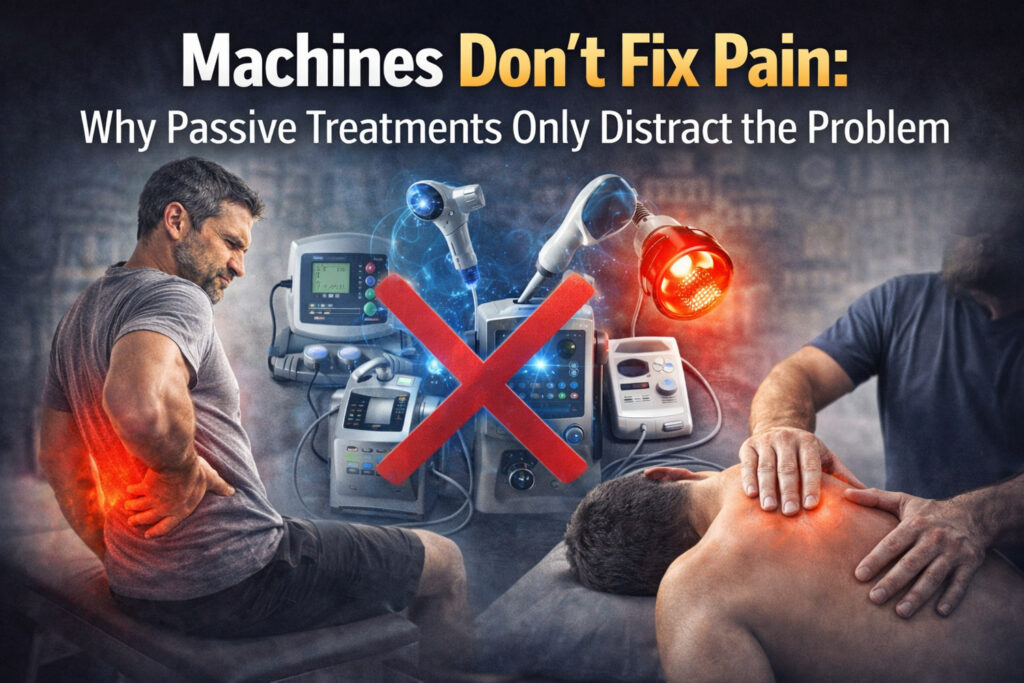
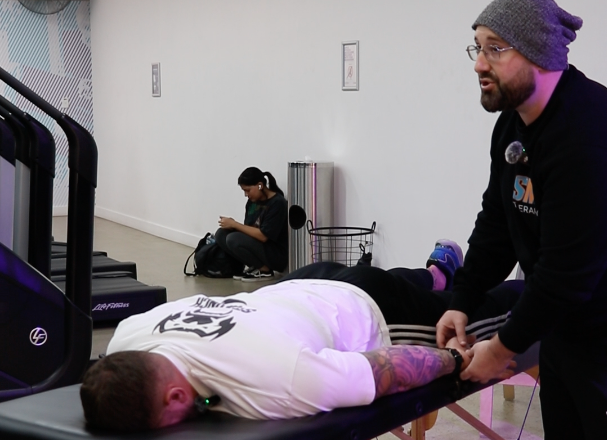
This is where sports massage therapy comes in — not the “candles, Enya music, and cucumber water” type, but the real deal, where a Myotherapist gets elbows-deep in those angry muscle fibres to fix the actual problem.
So, let’s cut through the myths, call out the fluff, and talk about what actually works when it comes to sports massage and recovery.
What Is Sports Massage Therapy?
Sports massage isn’t just a fancy rubdown for people who wear Lycra. It’s a targeted, therapeutic treatment designed for athletes, gym-goers, and weekend warriors to address sports-related injuries, muscle tightness, and performance plateaus.
A proper sports massage session focuses on:
- Breaking up adhesions and scar tissue so your muscles move the way they should
- Improving blood circulation to bring fresh oxygen and nutrients to damaged tissues
- Enhancing flexibility and range of motion so you don’t feel like a rusted hinge
- Reducing post-training soreness so you can actually walk down stairs without wincing
What Are the Most Common Sports Injuries in Western Sydney?
Whether you’re smashing it at the gym in Penrith, running laps in St Marys, or tackling your mates on the footy field, sports injuries happen — and they often happen fast.
- Hamstring strains — usually from sprinting without a proper warm-up. One second you’re flying, the next you’re hopping.
- Rotator cuff injuries — common in swimmers, lifters, and anyone throwing overhead. Feels like someone swapped your shoulder for a squeaky hinge.
- Ankle sprains — land awkwardly and suddenly you’re a pirate for the next six weeks.
- Tennis/Golfer’s elbow — overuse of forearm muscles. Racquet or not, if you overdo it, it’ll find you.
- Lower back strain — deadlifts, cricket bowling, or lifting that one heavy box you “totally had”.
How Do These Sports Injuries Actually Happen?
A lot of sports injuries happen in one of two ways:
- Sudden impact or overload — you push too hard, too fast, or land in a way your body wasn’t built for.
- Repetitive strain — the same motion done poorly and too often until your muscles, tendons, and joints wave a white flag.
The result? Pain, inflammation, reduced mobility, and the slow, frustrating road to recovery — unless you do something about it.
Why Does Sports Massage Therapy Work Better with a Full Hour?
Here’s the thing: a 30–45 minute “quick fix” is like putting a plaster on a flat tyre. You might feel a little better walking out, but you’re not addressing the deeper tissue issues or the mechanics causing the injury.
A proper 1-hour sports massage with a Myotherapist is where the magic happens:
- Time for a full-body assessment and targeted treatment — not just the sore spot
- Work on compensating muscles that quietly sabotage your recovery
- Integrated rehab cues and exercises that actually speed healing
Think of it as the difference between a drive-through burger and a proper home-cooked meal — one fills a gap, the other nourishes and repairs you.
What Should You Expect in a Real Sports Massage Session?
If you’ve only ever had a spa massage, brace yourself. Sports massage isn’t about drifting off to sleep — it’s about getting results. A real session might include:
- Deep tissue techniques to release muscle knots
- Trigger point therapy to calm down overactive pain points
- Joint mobilisation to improve range of motion
- Myofascial release to reduce stiffness and restore movement
- Stretching and movement cues so you leave feeling and moving better
Yes, there may be some “good pain” moments. Yes, you might feel tender the next day. That’s your body repairing itself.
Why Choose Myotherapy for Sports Massage?
While many therapists offer sports massage, a Myotherapist brings an extra layer of expertise. They’re trained not just to treat symptoms but to assess movement patterns, spot weaknesses, and design a rehab plan that prevents the injury from coming back.
This means you get:
- A treatment plan tailored to your sport and your body
- Progress tracking so you can actually see improvements
- Hands-on work combined with corrective exercise guidance
It’s not just massage — it’s injury management with a side of prevention.
Why Do Western Sydney Athletes Swear by Sports Massage?
Sports massage in Western Sydney has exploded in popularity — not because it’s trendy, but because it works. With regular treatment, athletes:
- Recover faster between training sessions
- Reduce the risk of future injuries
- Improve performance without smashing themselves into the ground
From local footy teams to gym rats chasing PBs, the feedback’s the same: once you’ve had a proper sports massage from someone who knows what they’re doing, you don’t go back.
Final Word from Super Myo
Sports massage isn’t just for pro athletes or people in pain — it’s for anyone who wants to move better, feel better, and bounce back faster.
If you’re nursing an injury, pushing through pain, or just tired of feeling like the Tin Man after training, do yourself a favour:
- ✅ Book with a therapist who gives you a full hour
- ✅ Make sure they know sports injuries and Myotherapy inside-out
- ✅ Treat it as part of your training, not a luxury
Because when you look after your body now, it’ll look after you later — and that’s the truth.
FAQs About Sports Massage Therapy
Is sports massage supposed to hurt?
Sometimes, yes — expect “good pain” during deeper techniques, but never sharp pain. Your therapist will work within safe limits and adjust pressure based on your feedback.
How often should I get a sports massage?
If you’re training 3–5 times per week, every 2–4 weeks is a solid routine for prevention and recovery. During injury rehab or competition blocks, weekly sessions can help.
Can sports massage help old injuries?
Absolutely. By reducing scar tissue, improving circulation, and restoring range of motion, sports massage can ease discomfort and improve function even years after an injury.
What’s the difference between sports massage and relaxation massage?
Relaxation massage is for stress relief. Sports massage targets tightness, mobility, and performance issues. It’s treatment with purpose — built for active bodies.
📍 Located in St Marys, serving Western Sydney athletes from Penrith, Mt Druitt, Blacktown & beyond.
💻 Book now: supermyo.com.au/contact
📱 Call/Text: 0490 196 815
📸 Instagram: @sup3r_myo