Wet Cupping: Bloodletting or Just Risky?
By Super Myo | Allied Health Professional & Manual Therapy Truth-Teller Who Keeps it Real!
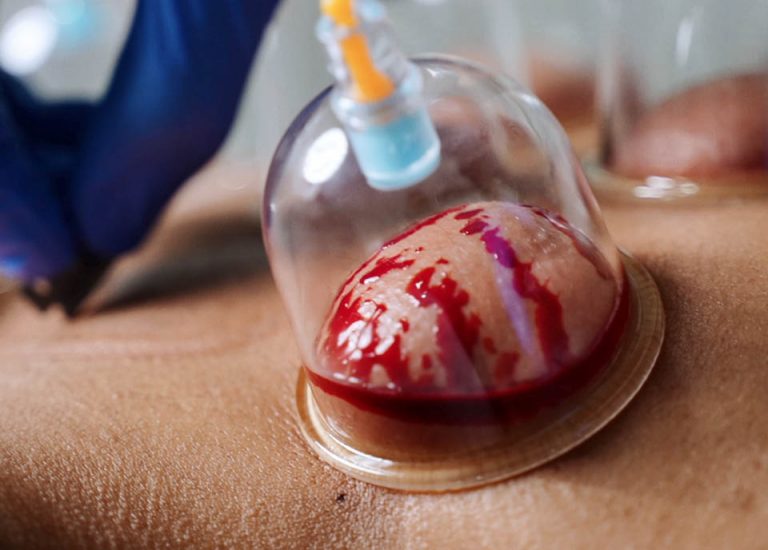
OK, let's tackle the elephant in the treatment room — wet cupping. You've seen it on Instagram: someone lying face down, looking like they’ve just been defeated by a vampire. What makes it appealing? The tradition. Why? Supposedly “detox.”
The truth? It's a mixed bag — and if we're being honest, it raises more red flags than it offers relief.
What Is Wet Cupping?
Also known as "Hijama" in Islamic and Eastern traditions, wet cupping has been around for centuries. The process involves creating small incisions in the skin and then applying suction cups to draw blood out. The goal? To remove “toxins” and “bad blood.”
But here's the thing — your body already handles detox just fine. That’s what your liver and kidneys are for. And trust me, they don’t need help from a blade and a suction cup.
Why Is It Gaining Popularity Again?
Wet cupping has quietly crept into small physio and chiropractic clinics like an unwanted house guest who overstays their welcome. It's often sold with buzzwords like:
- “Natural detox”
- “Blood cleansing”
- “Hormonal balancing”
Some people feel a short-lived high after the session — likely thanks to adrenaline and endorphins from being cut and suctioned like a crime scene, not actual healing.
Let’s not confuse hormonal reactions with genuine recovery. The placebo effect can be cheeky like that.
So... What’s the Problem?
Where do I even begin? Let’s break it down:
1. Open Wound + Sweat + Bacteria = Bad News
Your body sweats. You sit in your car. You roll around on your bed. Now imagine all that happening with open wounds on your back — it’s a bacteria breeding ground. That’s not the recovery vibe we’re going for.
2. Not Safe for Everyone
If you’re immunocompromised — maybe you’ve got anaemia, low Vitamin D, or even an STD like herpes or hepatitis — having someone drain your blood is like carrying ticking luggage.
People often show up to my clinic post-cupping looking pale, wrecked, and more inflamed than before. That’s not healing — that’s harm.
3. No Blood Test, No Go
There’s no screening, no pathology, no context. Sometimes the “therapist” was trained on YouTube. Imagine giving blood to someone who doesn’t even know your iron level. That’s not wellness — that’s negligence.
4. Where’s the Regulation?
Allied health professionals must follow NSW Health and Work Health & Safety (WHS) guidelines. Chiropractors and osteopaths are trained, accredited, and insured. Even massage therapists follow strict hygiene standards.
But wet cupping? Often, there's no regulation, no accreditation, and no guarantee the tools are even properly sterilised.
Before You Book — Know This:
- Ask about qualifications: A lounge room certificate doesn’t cut it.
- Check NSW Health compliance: If they’re unregistered or uninsured, walk away.
- Use logic: If your liver and kidneys already detox your body... why bleed into a cup?
Respect to culture and tradition — this isn’t about that. It’s about modern safety. Today, we have a better understanding of physiology, biochemistry, and evidence-based care. So let’s act like it.
What Should You Do Instead?
If your muscles are tight, sore, or straight-up hating you — don’t bleed for Instagram. Seek out evidence-based treatment. An assessment, myotherapy session, or remedial massage can deliver real relief without the red mess.
Final Words from Super Myo:
You’ve got one body. Don’t risk it with a “therapist” who learned wet cupping between TikTok breaks and WhatsApp forwards. Know the risks. Know your rights.
And if you really want to release blood from your body? Donate it. There are patients in hospital beds who actually need it — not a drainpipe at the end of a detox session.