5 Essential Sports Therapy Techniques Every Athlete Should Know
By Super Myo | Allied Health Professional & Manual Therapy Truth-Teller Who Keeps it Real!
In the course of their careers, nearly 90% of athletes will experience an injury. Everybody knows this, whether they're professional competitors, Saturday league heroes, or gym squat kings.
Injury does not just “happen” during some dramatic game-day moment. Over time, they creep up on you. Runny calves cause shin splints. A herniated disc results from deadlifts that cause a stiff lower back. Is your knee hurting because you’ve been squatting poorly for years? It’s ACL rehab time.
That’s where sports therapy comes in. Not as a “fix it when it’s broken” service, but as an ongoing recovery strategy to keep your body primed for performance. Whether you’re grinding away in Western Sydney gyms, hitting the footy field in Mt Druitt, running the Nepean River loop, or smashing PBs in Penrith, here are the five techniques every athlete should know.
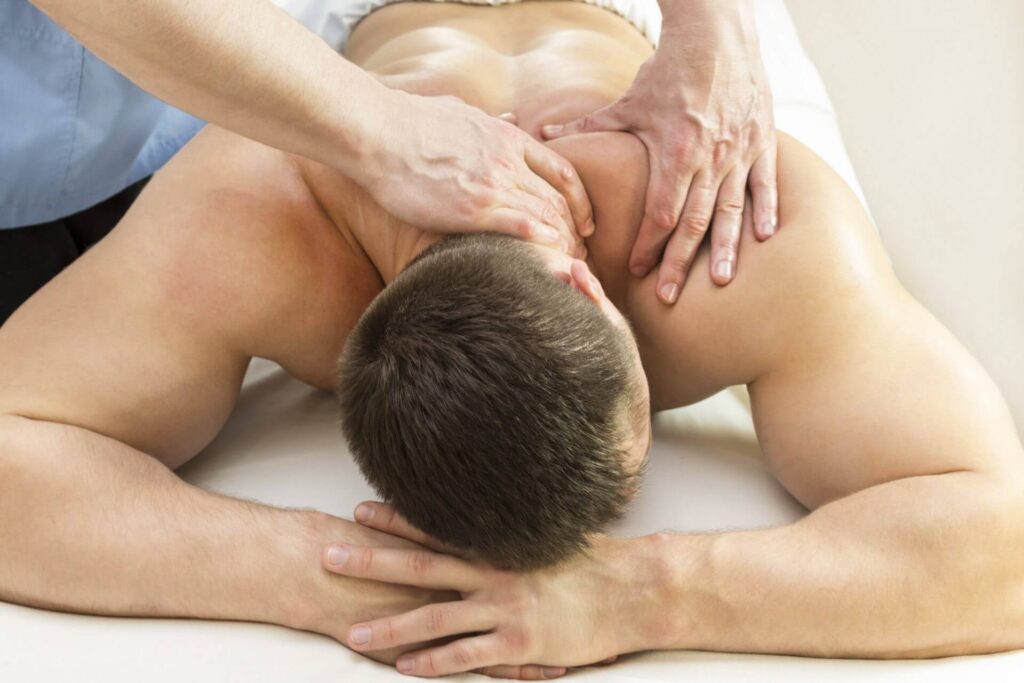
1) What is Deep Tissue & Myofascial Release in Sports Therapy?
You would probably hear your muscles screaming at you after every training session if they could talk. Performance and injury are often reduced by tightness, which is more than just uncomfortable.
Deep tissue therapy and myofascial release are sports therapy techniques designed to:
- Break up stubborn knots and adhesions
- Improve blood flow to fatigued muscles
- Restore natural movement patterns
It’s not a generic “rub and hope” massage — this is sports massage with a purpose. We target muscles that have been overworked, overloaded, or locked up, like hamstrings after sprint training or pecs after endless push sessions.
Pro Tip: If you’re training 4–5 times a week, getting a deep tissue sports massage every 2–4 weeks can be the difference between constant tightness and feeling game-ready.
2) How Does Trigger Point Therapy Work in Sports Therapy?
Did you ever experience pain in one area of your body that actually came from somewhere else? In most cases, trigger points are to blame.
Trigger point therapy works by applying pressure to these hypersensitive spots within the muscle to:
- Relieve pain
- Restore normal muscle length
- Improve mobility in surrounding joints
For example, a trigger point in the shoulder might be responsible for your sore forearm. Knee hurting? Your hip flexors may have a nasty trigger point.
At Super Myo, we don’t just chase where it hurts — we find where it starts. That’s the difference between a short-term “ahh that feels better” and long-term sports recovery.
3) How Do Taping & Strapping Support Athletes?
This one isn’t just for pro athletes running out of the sheds. Sports taping techniques can help to:
- Provide joint stability during training and games
- Reduce strain on injured areas
- Improve proprioception (your brain’s awareness of body position)
From kinesiology taping to rigid strapping, the right application can be a game-changer. Think of it as giving your joints a little external “reminder” to stay in the right position while you move.
Runners and rugby players in Western Sydney use ankle taping, CrossFit athletes often rely on knee support, and soccer players know the difference taping makes for plantar fascia pain.
Pro Tip: Taping is best used as part of a recovery plan — it won’t fix everything, but it buys you crucial time and support to heal.
4) What Are Active Release Techniques (ART) in Sports Therapy?
This is where sports therapy gets specific. Active Release Techniques (ART) combine hands-on muscle work with movement to:
- Break down scar tissue
- Improve tissue glide
- Restore normal range of motion in the muscle
While your therapist applies pressure, you actively move the muscle through its range. It’s essentially a cross between stretching and deep tissue massage — and it works fast.
ART is especially effective for:
- Shoulder impingements
- Hamstring strains
- Hip flexor tightness
- ITB syndrome
If you lift heavy or play contact sports in the Western Suburbs, ART can shave weeks off your recovery compared to doing nothing.
5) Why Are Sports-Specific Rehabilitation Exercises Essential?
The best sports therapy doesn’t just treat you in the clinic — it gives you the tools to stay injury-free when you leave.
Sports-specific rehab is about:
- Strengthening weak areas
- Correcting movement imbalances
- Building resilience so injuries don’t come back
For sprinters, that might mean single-leg stability drills. For rugby players, strengthening the rotator cuff. For lifters, hip mobility and core activation.
And here’s the thing: rehab exercises aren’t just for when you’re injured. Integrating them into your training plan improves performance, reduces risk, and keeps your body moving efficiently.
Why Do These Sports Therapy Techniques Work Best Together?
Each of these sports therapy techniques works well on its own — but combined, they create a complete recovery plan.
Here’s what a real Western Sydney athlete might experience:
- Week 1: Deep tissue & myofascial release to free up tight quads
- Week 2: Trigger point therapy to release glute and hip tension
- Week 3: ART and taping to stabilise the shoulder while returning to training
- Ongoing: Rehab exercises to keep everything strong, mobile, and pain-free
That’s why sports therapy isn’t a one-time service. The recovery process is an ongoing partnership between your training and your treatment.
What Makes Super Myo Different for Western Sydney Athletes?
We’re not a city clinic charging ridiculous rates for minimal effort.
At Super Myo, we understand the grind — the 6am gym sessions before work, the weekend sports comps, the late-night training sessions under the floodlights. We know what it feels like to push your body past its comfort zone. More importantly, we know how to get it back there again — fast.
- We actually listen
- We use proven sports therapy techniques
- We combine treatment with real movement knowledge
- We speak athlete, not medical jargon
📍 Located in St Marys, serving Western Sydney athletes from Penrith, Mt Druitt, Blacktown & beyond.
Final Word: Don’t Just Train Hard — Recover Smarter
Your recovery is just as important as your training. Athletes who thrive aren’t just the ones who push hardest — they’re the ones who recover properly. Sports therapy keeps your body in peak condition so you can train harder, compete stronger, and avoid setbacks.
Whether you’re chasing a PB, aiming for a championship, or simply want to stay active without injury, these five sports therapy techniques are your toolkit for long-term success.
Ready to Train Hard & Recover Smarter?
Book your sports therapy massage or recovery session with Super Myo today. Let’s build you a plan that keeps you stronger, faster, and pain-free — whether you’re lifting, sprinting, tackling, or just living life at full speed.
- 💻 Book now: supermyo.com.au
- 📱 Call/Text: 0490 196 815
- 📸 Instagram: @sup3r_myo
Because the only thing better than training hard… is training hard without pain.
FAQs About Sports Therapy Massage
What is sports therapy massage and how is it different from remedial massage?
Sports therapy massage is performance and injury focused — targeting muscle tightness, scar tissue, and movement dysfunctions. Remedial massage is more general and used for relaxation or tension.
How often should athletes get sports therapy?
If you train 4–5 times a week, aim for a session every 2–4 weeks to prevent injuries and keep muscles healthy. During rehab or competition phases, weekly sessions may help.
Does sports massage actually improve performance?
Yes. By improving circulation, reducing muscle tightness, and restoring range of motion, athletes often find faster recovery and better mobility translates to improved performance.
Can sports therapy prevent injuries?
Absolutely. Addressing weaknesses, correcting imbalances, and staying on top of tightness means less strain builds up over time, reducing the risk of major injuries.
Is sports therapy just for elite athletes?
Not at all. Weekend warriors, gym-goers, runners, and even tradies benefit. If you use your body actively, you can benefit from sports therapy.